Practical effects are officially better than CGI — and Hollywood finally got the memo.
That's not nostalgia talking. I've spent the last few years watching blockbusters roll out of the Marvel machine looking increasingly like cutscenes from a video game, and I know I'm not the only one who's noticed. The weightless heroes, the rubbery backgrounds, the final-act sky beams that all blur into the same gray mush. So when a movie comes along that feels real — where you can sense actual mass moving through actual space — audiences respond. Hard.
Here's what most people miss: this isn't a coincidence. It's a deliberate, money-driven pivot back toward practical effects in blockbusters, and the studios that figured it out early are the ones printing money right now.
The Dune Effect (Or: Why Sand and Sweat Beat Pixels)
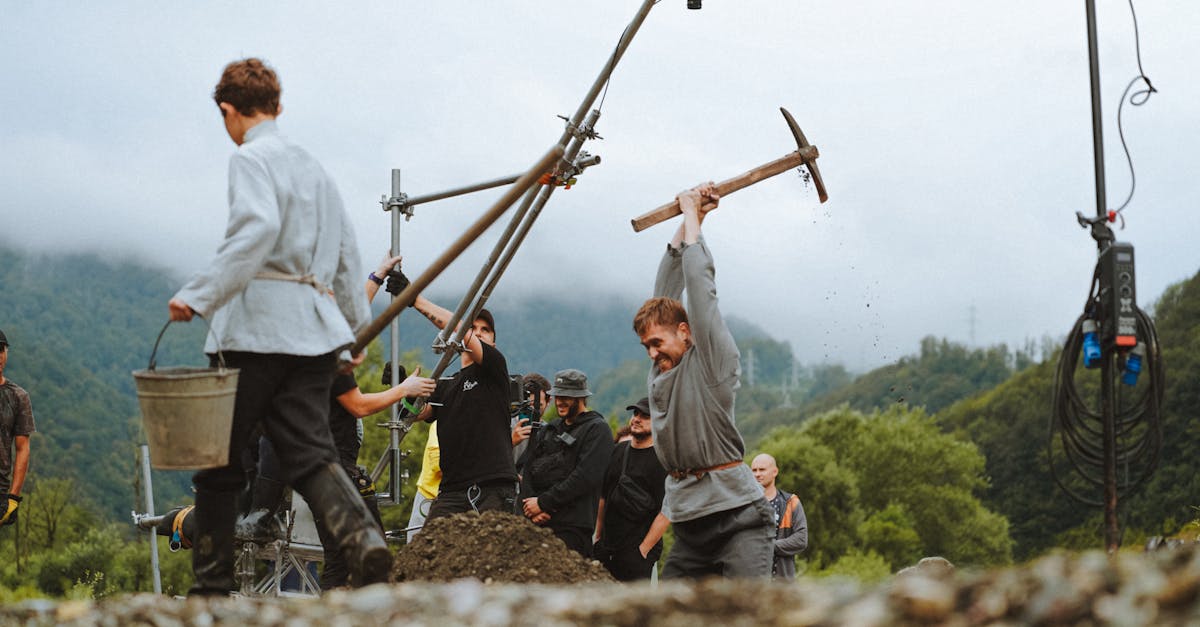
Denis Villeneuve's Dune films are the clearest evidence I can point to. Those movies look like nothing else in the mainstream because so much of what's on screen actually existed. The ornithopters, the massive sets, the desert shoots in Jordan and Abu Dhabi — it's all tactile, and your brain knows it even when you can't articulate why.
Villeneuve has been pretty blunt about his approach: shoot as much in-camera as possible, then use digital tools to extend reality rather than replace it. The result is a visual language that feels heavy and grounded. Compare that to any number of CGI-heavy tentpoles where the actors are clearly standing in front of a green screen, guessing at what the world will look like months later.
Let's be honest — actors give better performances when they have something to react to. That's not a hot take, it's just craft.
The Practical Effects Comeback Is Really About the Bottom Line
I know what you're thinking: isn't CGI cheaper? That's the myth. Here's what the numbers actually suggest.
- Rebuilds are expensive, but reshoots are worse. When a digital set doesn't work in post, you're paying artists to iterate for months. A physical set, once built, is there.
- Audiences can smell fake. Word of mouth on visual quality travels fast on social media, and a movie that looks cheap loses ticket sales in week two.
- Practical work ages better. Watch Jurassic Park (1993) next to a 2005 CGI-heavy film. Which one holds up? Exactly.
- Marketing loves behind-the-scenes. A great practical stunt is free content. Studios know a "they actually did this" clip goes viral in a way a VFX breakdown never will.
Christopher Nolan has been banging this drum for years — he crashed a real plane in Tenet, built a rotating hallway for Inception, and blew up an actual hospital in The Dark Knight. He's not doing it out of stubbornness. He's doing it because practical effects create spectacle you can feel, and that spectacle sells.
The Tom Cruise Doctrine
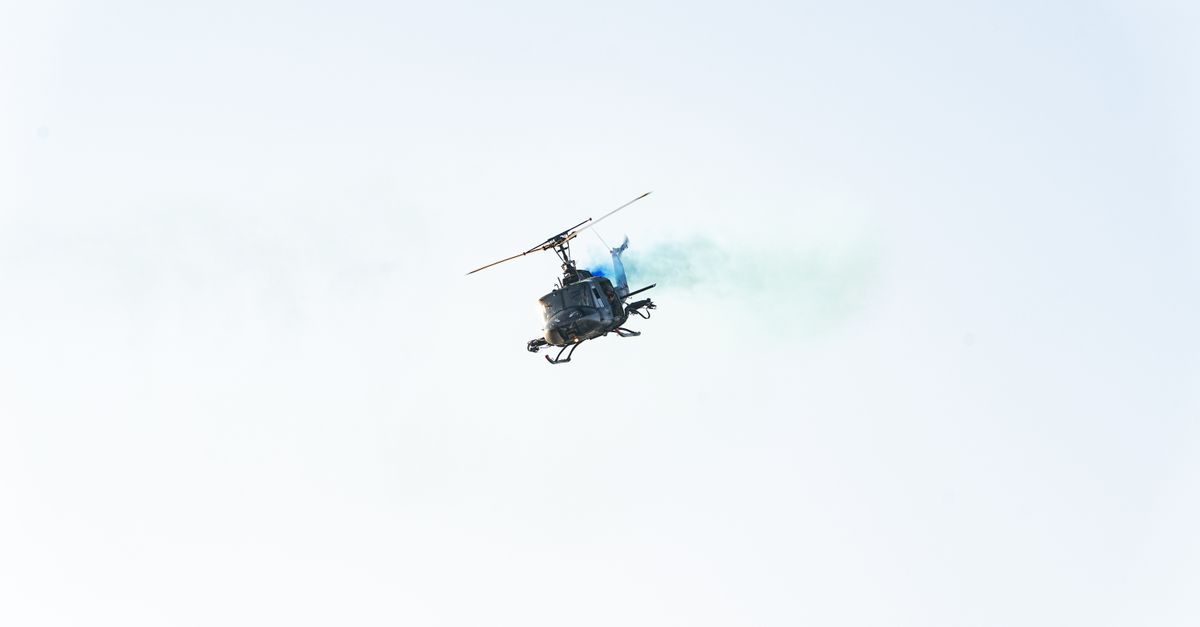
You can't write about this without mentioning the man who's basically the patron saint of doing it for real. Cruise hanging off a plane in Mission: Impossible – Rogue Nation. The HALO jump in Fallout. The motorcycle cliff leap in Dead Reckoning. Whatever you think of him personally, he's proven a thesis the entire industry is now copying: audiences will pay a premium for authenticity.
I've found that the movies people talk about for years are almost never the ones with the most polished pixels. They're the ones where someone did something genuinely dangerous or difficult. That's a human story, and human stories stick.
The New Tools Are Helping, Not Hurting
Here's the nuance most takes miss. The practical effects comeback isn't a rejection of technology — it's a reordering of it. The best modern productions use tools like LED volume stages (think The Mandalorian) to put real environments around actors in real time, then blend in digital work for what can't be built.
That's the sweet spot: physical where it counts, digital where it helps. The mistake of the 2010s was treating CGI as a replacement for sets and stunts. The lesson of the 2020s is that it works best as a partner.
Directors like Jordan Peele, Greta Gerwig, and the team behind Top Gun: Maverick all understand this. Maverick famously used real F-18s and real g-force on the actors' faces — and it became one of the biggest hits of the decade. That's not an accident. That's a signal.

What This Means for the Next Five Years
Expect more of it. Studios are risk-averse, and right now practical spectacle is testing as the safer bet. I'd bet on a few things happening:
- More stunt-led action franchises built around performers who can actually do the work.
- A boom in practical effects shops — the artisans who build miniatures, prosthetics, and rigs are suddenly in demand again.
- A backlash against "gray blob" final acts as audiences get pickier about visual quality.
- More hybrid workflows where VFX teams collaborate on set instead of cleaning up afterward.
The practical effects comeback in blockbusters isn't a nostalgia trip. It's the market correcting itself after a decade of over-reliance on a tool that was never meant to do everything.
So here's my challenge to you: next time you're picking what to see, pay attention to how a movie feels in your body. Does the action have weight? Do the sets feel like places? If yes, reward it with your ticket. That's how you vote. And honestly? That's how we get better movies.